Humans and Carnivores interaction in the Palaeolithic

My research has played a central role in establishing sedimentary ancient DNA (sedaDNA) as a transformative tool for archaeology and Palaeolithic research. A major milestone was the recovery and analysis of genomic material from a pre–Last Glacial Maximum sediment sample from Satsurblia Cave (Gelabert et al., 2021), recognized among Science’s Top Discoveries of 2021. This study marked a fundamental advance in soil DNA research and remains the most abundant source of genomic material ever recovered from sediments, helping to usher in a new, genome-oriented era of archaeological sedaDNA studies.

I have since served as corresponding author on two landmark publications that consolidate years of methodological and conceptual development in this field. The first, led by Victoria Oberreiter and published in Scientific Reports (Oberreiter et al., 2024), provides optimized laboratory protocols that significantly enhance sedaDNA recovery and reproducibility. The second, published in Nature Communications (Gelabert et al., 2025), represents a breakthrough by applying species-level Pleistocene sedaDNA to address zooarchaeological questions related to human subsistence and human–animal interactions. This study directly compares genetic and morphological approaches and presents the densest collection of complete Pleistocene sedaDNA mitochondrial genomes assembled to date.

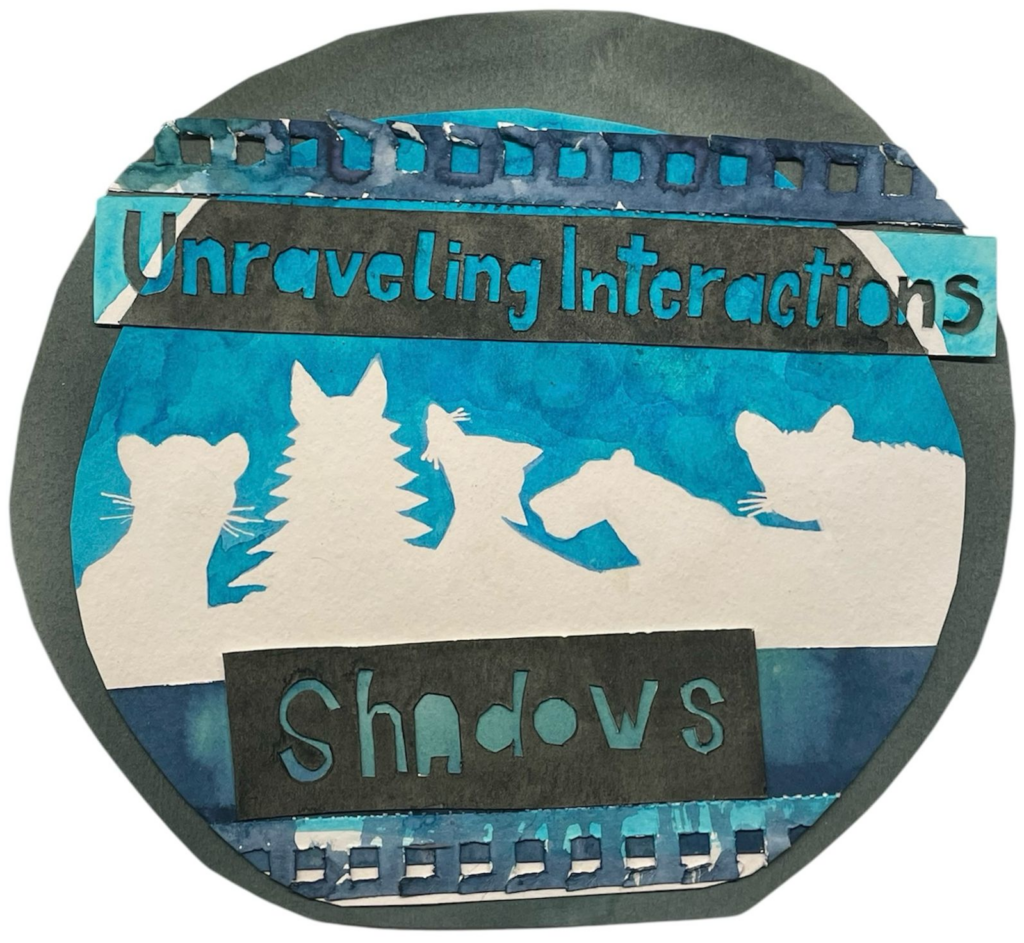
In 2024, I was awarded a European Research Council (ERC) Starting Grant, “Unveiling the Shadows: Illuminating Late Pleistocene Human–Carnivore Interactions in Europe.” This project builds on over four years of focused methodological innovation and reflects my scientific independence and leadership in advancing sedaDNA as a core approach for investigating Pleistocene human–animal dynamics, particularly in the Cantabrian region of Iberia. As Principal Investigator, I lead a consortium of more than 30 researchers across 10 countries and 20 institutions, defining research priorities, integrating interdisciplinary data, and ensuring conceptual coherence across the project. I currently supervise PhD students working on sedaDNA, animal genomics, and archaeozoology, and actively mentor early-career researchers involved in the project.

–> Human-carnivore interactions

–> Pleistocene Carnivore extinctions

–> Human Palaeolithic genomics